
Lime Oil
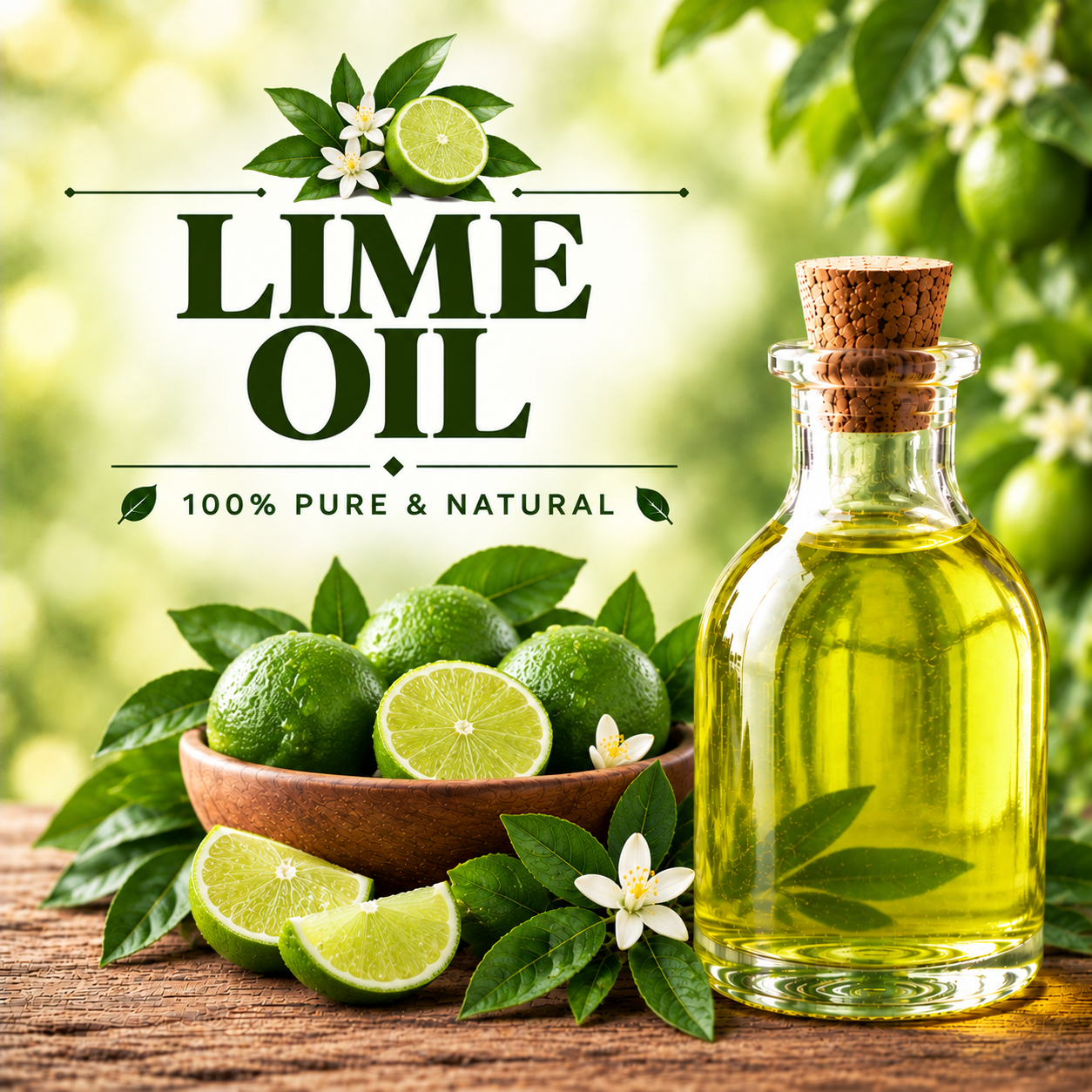
Lime Oil
Lime Oil is a natural citrus oil known for its fresh, sharp, zesty and characteristic lime aroma. It is commonly obtained from the peel of lime fruit and is widely used in perfumes, cosmetics, personal care products, soaps, home fragrances, aromatherapy and flavour applications.
Its bright citrus profile makes Lime Oil a useful ingredient for formulations that require a refreshing, clean and lively fragrance or flavour character.
What is Lime Oil?
Lime Oil is an aromatic oil derived from lime fruit, particularly from the peel. Commercial Lime Oil can be produced from different lime varieties and may be available in different grades and specifications.
Depending on the source and production method, Lime Oil can have differences in aroma, colour, composition and stability. Therefore, the botanical source, extraction method and grade should always be checked for commercial applications.
How is Lime Oil Extracted?
Lime Oil is commonly obtained from the peel of lime fruit. Depending on the product specification, it may be produced through cold expression or steam distillation.
The properties of Lime Oil can vary according to:
- Lime variety
- Geographical origin
- Fruit maturity
- Peel quality
- Extraction method
- Processing conditions
- Storage conditions
For commercial use, the exact extraction method should be confirmed through the supplier’s COA, TDS and technical documentation.
Lime Oil Uses & Applications
1. Perfume & Fragrance Industry
Lime Oil is widely used in perfumery for its sharp, fresh and zesty citrus character. It can provide bright citrus top notes and works well with floral, woody, herbal and other citrus ingredients.
2. Cosmetics & Skincare
Appropriately specified Lime Oil can be incorporated into selected cosmetic and personal care formulations where a fresh citrus aroma is desired.
It may be used in:
- Creams
- Lotions
- Body care products
- Facial care products
- Cosmetic oils
- Botanical formulations
3. Soap & Bath Products
Lime Oil is commonly used in soaps, shower products, bath formulations and body-care products to provide a refreshing citrus fragrance.
4. Aromatherapy Products
Lime Oil is used in aromatic blends and products where a fresh, bright and stimulating citrus fragrance profile is desired.
5. Hair Care Products
Depending on the formulation and grade, Lime Oil can be used as a fragrance ingredient in shampoos, conditioners, hair oils and other personal care products.
6. Home Fragrance
Lime Oil can be incorporated into candles, diffusers, room fragrances and other home fragrance products for a fresh citrus aroma.
7. Food & Flavour Applications
Appropriately specified food-grade Lime Oil can be used as a flavouring ingredient in selected food and beverage applications, subject to applicable regulations and recommended usage levels.
Benefits of Lime Oil for Formulations
Lime Oil offers several useful formulation characteristics:
- Fresh and zesty citrus aroma
- Bright and lively fragrance profile
- Useful for citrus fragrance blends
- Suitable for soap and bath products
- Useful in personal care formulations
- Suitable for home fragrance products
- Can provide citrus top notes in perfumes
- Suitable for selected food flavour applications when food-grade
The suitability of Lime Oil depends on its botanical source, composition, grade and intended application.
Key Characteristics of Lime Oil
- Common Name: Lime Oil
- Botanical Source: Citrus aurantiifolia and other lime varieties depending on specification
- Family: Rutaceae
- Plant Part: Fruit peel
- Extraction: Commonly cold expression or steam distillation
- Appearance: Clear to pale yellow or yellow-green liquid, depending on specification
- Aroma: Fresh, sharp, zesty, green and citrus-like
- Nature: Concentrated citrus aromatic oil
- Main Applications: Fragrance, cosmetics, personal care, soaps, aromatherapy, home fragrance and selected flavour applications
Major Components of Lime Oil
Lime Oil contains naturally occurring volatile citrus compounds. Limonene is commonly present in significant amounts, along with other monoterpenes and aromatic compounds.
Depending on the lime variety, origin and processing method, the oil may contain compounds such as:
- Limonene
- γ-Terpinene
- β-Pinene
- α-Pinene
- Myrcene
- Terpinolene
- Other naturally occurring citrus volatiles
The exact composition varies with botanical source, geographical origin, maturity, extraction and processing. For commercial applications, the composition should be verified using the supplier’s COA and GC-MS report where applicable.
Lime Oil vs Lemon Oil
Lime Oil and Lemon Oil are both popular citrus oils, but their fragrance profiles are different.
- Lime Oil: Sharp, zesty, green and distinctly lime-like
- Lemon Oil: Bright, fresh, cleaner and characteristically lemon-like
The choice between them depends on the desired fragrance or flavour profile and the requirements of the formulation.
Lime Oil for Different Industries
Perfumery Industry
Used for bright citrus top notes and fresh fragrance compositions.
Cosmetics Industry
Used as an aromatic ingredient in selected skincare and cosmetic products.
Personal Care Industry
Suitable for soaps, body washes, bath products and other fragranced personal care applications.
Food & Flavour Industry
Food-grade Lime Oil can be used in selected flavour applications when it meets applicable quality and regulatory requirements.
Home Fragrance Industry
Used in candles, diffusers, room sprays and other fragranced products.
Aromatherapy Industry
Used in aromatic blends where a fresh and zesty citrus aroma is desired.
Why Choose High-Quality Lime Oil?
For commercial applications, quality, authenticity and consistency are important.
Before purchasing Lime Oil, consider checking:
- Correct botanical identification
- Lime variety
- Country or region of origin
- Extraction method
- Aroma profile
- Appearance
- Purity and authenticity
- Batch consistency
- COA
- TDS
- SDS
- GC-MS analysis where applicable
- Application-specific regulatory compliance
For food, cosmetic or other regulated applications, always select a grade specifically manufactured and documented for that purpose.
Storage & Handling of Lime Oil
To help maintain the quality of Lime Oil:
- Store in a tightly closed container.
- Keep away from direct sunlight.
- Protect from excessive heat.
- Store in a cool and dry environment.
- Minimize unnecessary exposure to air.
- Use suitable containers.
- Follow the supplier’s recommended storage conditions.
Proper storage can help preserve the oil’s aroma and overall quality.
Safety & Handling
Lime Oil is a concentrated citrus oil and should be handled according to its specific grade and safety documentation.
- Dilute appropriately before topical cosmetic use.
- Avoid contact with eyes.
- Perform suitable skin compatibility or patch testing for topical formulations.
- Do not ingest unless specifically manufactured and approved for food or ingestible use.
- Follow recommended application levels.
- Keep away from children.
- Check the supplier’s SDS before commercial use.
Important: Some expressed/cold-pressed citrus oils can contain naturally occurring furocoumarins and may have phototoxicity considerations. The phototoxicity profile depends on the specific Lime Oil and processing method. Always check the supplier’s safety and technical documentation, particularly for leave-on products exposed to sunlight.
Frequently Asked Questions About Lime Oil
What is Lime Oil?
Lime Oil is a natural citrus aromatic oil commonly obtained from lime fruit peel and is valued for its fresh, sharp and zesty aroma.
What is Lime Oil used for?
Lime Oil is commonly used in perfumes, cosmetics, skincare, soaps, personal care, aromatherapy, home fragrance and selected flavour applications.
What is the botanical source of Lime Oil?
Lime Oil can be obtained from different lime varieties. Citrus aurantiifolia is one commonly associated botanical source, but the exact source should be confirmed from the product specification.
How is Lime Oil extracted?
Lime Oil is commonly produced by cold expression or steam distillation, depending on the product and commercial specification.
What does Lime Oil smell like?
Lime Oil generally has a fresh, sharp, green, zesty and characteristic citrus aroma.
Can Lime Oil be used in cosmetics?
Yes, appropriately specified Lime Oil can be used in cosmetic and personal care formulations, subject to its grade and applicable regulations.
Can Lime Oil be used in soaps?
Yes. Lime Oil is commonly used as a citrus fragrance ingredient in soaps, bath products and personal care formulations.
Can Lime Oil be used in perfumes?
Yes. Its bright and zesty character makes it useful for citrus fragrance compositions and top-note applications.
Can Lime Oil be used in food products?
Only appropriately specified and compliant food-grade Lime Oil should be used in food applications. Regulatory requirements and recommended usage levels must be followed.
Is Lime Oil the same as Lemon Oil?
No. Both are citrus oils, but they have different characteristic aromas and may come from different citrus species or varieties.
Is Lime Oil phototoxic?
Some cold-pressed or expressed citrus oils may contain furocoumarins that can contribute to phototoxicity. The risk depends on the specific Lime Oil and processing method, so the supplier’s safety documentation should be checked.
How should Lime Oil be stored?
Lime Oil should generally be stored in a tightly closed container in a cool, dry place away from direct sunlight and excessive heat.
Conclusion
Lime Oil is a versatile natural citrus oil valued for its fresh, sharp, green and zesty aroma. It is widely used in perfumes, cosmetics, skincare, soaps, personal care, aromatherapy and home fragrance products, while appropriately specified food-grade material can be used in selected flavour applications.
For commercial formulations, it is important to select Lime Oil according to its botanical source, extraction method, grade, composition and intended application. Always review the supplier’s COA, TDS, SDS and relevant analytical documentation before use.