
Jasmine Oil
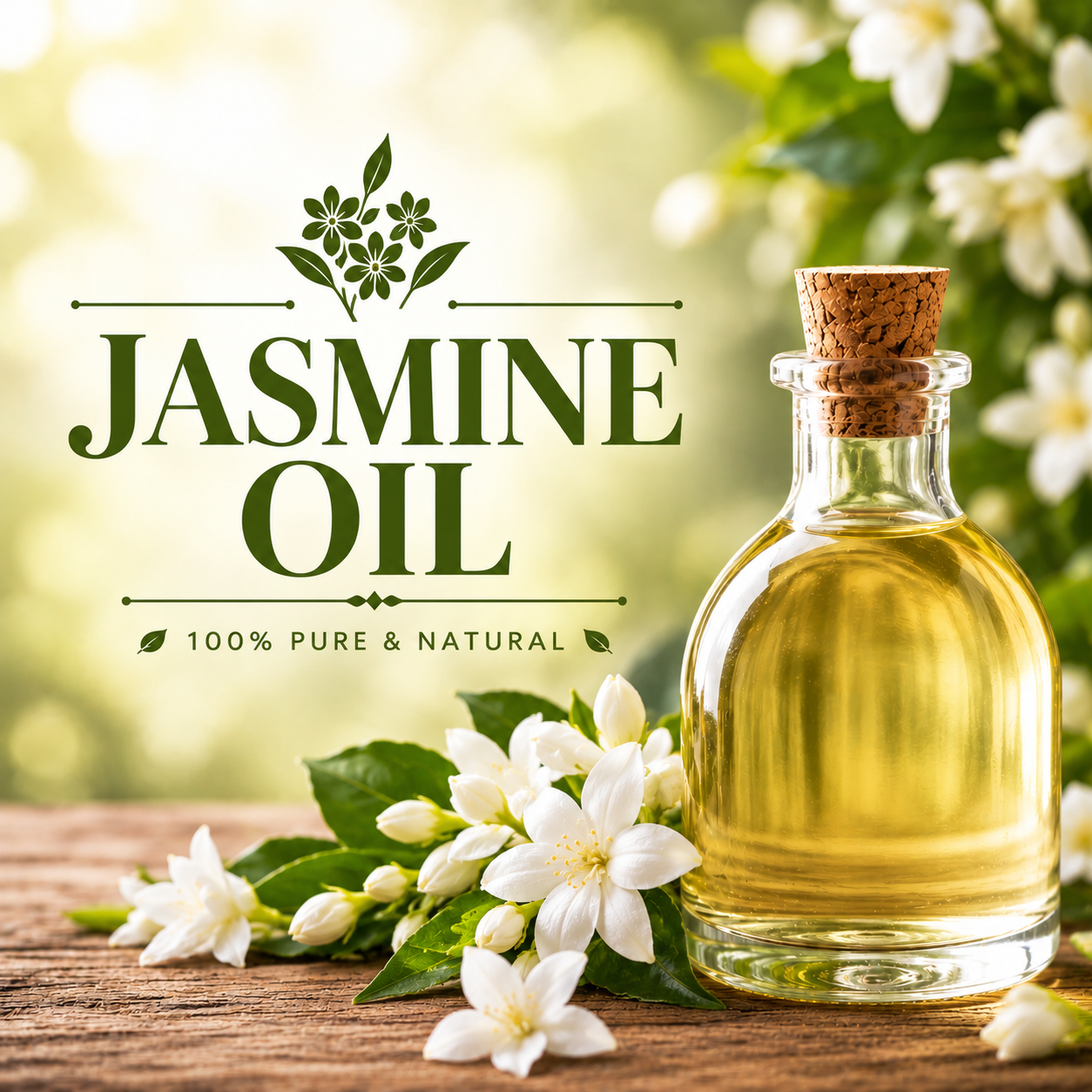
Jasmine Oil
Jasmine Oil is a highly valued floral ingredient known for its rich, sweet and elegant aroma. It is widely used in perfumery, cosmetics, skincare, personal care, aromatherapy and other fragrance-based formulations.
Jasmine is especially valued for its distinctive floral character and luxurious fragrance profile. Depending on the botanical species and production method, jasmine-derived aromatic products may be available as essential oil, absolute or other aromatic extracts.
Jasmine Oil is commonly used in perfumes, creams, lotions, soaps, body oils, hair care products, massage blends and specialty fragrance formulations.
What is Jasmine Oil?
Jasmine Oil is an aromatic botanical ingredient derived from the flowers of jasmine plants. Commercial jasmine products can be produced from different jasmine species, with Jasminum grandiflorum and Jasminum sambac being important species used in fragrance and aromatic applications.
Jasmine flowers are delicate and contain relatively small amounts of volatile aromatic material. Therefore, jasmine fragrance materials are often produced using extraction methods suited to preserving their characteristic floral aroma.
The resulting material has a rich, sweet, floral and characteristic jasmine fragrance that makes it highly desirable in premium fragrance and personal care products.
How is Jasmine Oil Produced?
The production method depends on the type of jasmine product being manufactured.
1. Selection of Jasmine Flowers
Fresh, high-quality jasmine flowers are selected according to the desired product specification.
2. Extraction
Because jasmine flowers are delicate, jasmine fragrance materials are commonly produced using suitable extraction techniques rather than relying only on conventional steam distillation.
Solvent extraction is commonly associated with jasmine absolute production.
3. Concentration & Processing
The aromatic material is processed and concentrated to obtain a fragrance ingredient with the desired aromatic profile.
4. Filtration & Quality Control
The finished product may be filtered and tested for appearance, aroma, physical properties and chemical characteristics.
The exact production method should always be verified from the supplier’s product specification.
Jasmine Oil Uses & Applications
Jasmine Oil is primarily valued for its rich floral fragrance and versatility in fragrance and personal care formulations.
1. Perfume & Fragrance Industry
Jasmine is one of the most recognizable floral fragrance materials used in perfumery.
It can be used in:
- Fine fragrances
- Eau de parfum
- Perfume oils
- Floral fragrance blends
- Premium fragrance compositions
- Fragrance concentrates
2. Skincare Products
Jasmine-derived aromatic ingredients can be incorporated into selected skincare formulations such as creams, lotions, facial products and body-care products.
They are particularly useful when a luxurious floral fragrance is desired.
3. Personal Care Products
Jasmine Oil can be used in a variety of personal care products, including:
- Body lotions
- Body oils
- Shower products
- Bath products
- Soaps
- Personal fragrance products
- Massage blends
4. Hair Care Products
Jasmine fragrance materials can be incorporated into selected shampoos, conditioners, hair oils, hair masks and other hair care products to provide a pleasant floral fragrance.
5. Aromatherapy & Aromatic Products
Jasmine is widely associated with aromatic and sensory applications. Jasmine-derived materials may be used in selected aromatic blends and fragrance products.
6. Soap & Bath Products
Jasmine’s sweet floral aroma makes it suitable for soaps, bath oils, bath products and other scented personal care formulations.
7. Home Fragrance
Depending on the product specification, jasmine fragrance materials can be incorporated into selected candles, diffusers and other home-fragrance products.
Jasmine Oil Benefits for Formulations
Jasmine Oil is valued by formulators for its distinctive aromatic characteristics.
- Rich floral fragrance
- Sweet and elegant aroma
- Premium fragrance profile
- Botanical origin
- Suitable for fine fragrance compositions
- Useful in personal care products
- Suitable for selected skincare formulations
- Useful in hair care products
- Suitable for bath and body products
- Versatile ingredient for fragrance development
The performance and suitability of Jasmine Oil depend on its botanical source, extraction method, concentration and finished formulation.
Key Characteristics of Jasmine Oil
- Common Name: Jasmine Oil
- Botanical Sources: Jasminum grandiflorum, Jasminum sambac and other specified jasmine species
- Plant Part: Flowers
- Family: Oleaceae
- Product Type: Essential oil, absolute or other jasmine-derived aromatic material, depending on specification
- Aroma: Rich, sweet, floral and characteristic
- Applications: Perfumery, cosmetics, skincare, personal care, hair care, bath products and fragrance
- Nature: Concentrated botanical aromatic ingredient
Jasmine Oil for Perfume & Fragrance
Jasmine is highly valued in the fragrance industry because of its complex and recognizable floral character.
It can be used as:
- A floral heart-note material
- A component of premium perfume blends
- A fragrance modifier
- A botanical fragrance ingredient
- Part of floral and oriental fragrance compositions
Jasmine can be blended with many other aromatic materials to create sophisticated fragrance profiles.
Jasmine Oil for Skincare
Jasmine-derived aromatic ingredients can be used in selected skincare and body-care formulations where a floral sensory profile is desired.
Applications may include:
- Face creams
- Body lotions
- Body oils
- Cleansing products
- Bath products
- Botanical skincare blends
For topical products, the appropriate concentration and safety profile should be determined according to the specific jasmine material and finished formulation.
Jasmine Oil for Hair Care
Jasmine Oil can add a luxurious floral fragrance to hair care products.
It may be used in:
- Hair oils
- Shampoos
- Conditioners
- Hair masks
- Hair serums
- Hair fragrance products
Its primary formulation value in these applications is often its characteristic fragrance.
Jasmine Oil in Personal Care Products
The elegant floral aroma of Jasmine Oil makes it suitable for a wide range of personal care products.
Common applications include:
- Soaps
- Body lotions
- Body oils
- Shower gels
- Bath products
- Massage oils
- Personal fragrance
- Cosmetic products
Jasmine Oil vs Jasmine Absolute
Jasmine products can be available in different forms, and they should not automatically be treated as identical.
Jasmine Essential Oil
This term may be used commercially for jasmine-derived aromatic products, but the exact production method should be verified because true jasmine fragrance materials are commonly obtained through specialized extraction processes.
Jasmine Absolute
Jasmine absolute is a concentrated aromatic material typically produced from jasmine flowers through solvent extraction and subsequent processing.
Why Does the Difference Matter?
Extraction method can influence:
- Aroma profile
- Appearance
- Composition
- Solubility
- Formulation performance
- Intended applications
Always check the technical specification before selecting a jasmine product for manufacturing.
Why Choose High-Quality Jasmine Oil?
High-quality Jasmine Oil or jasmine-derived aromatic material can provide better consistency and fragrance performance.
When sourcing Jasmine Oil, consider:
- Verified botanical identity
- Correct plant part
- Extraction method
- Product type
- Aroma profile
- Physical and chemical specifications
- Batch consistency
- Proper packaging
- COA availability
- TDS and SDS documentation
- Intended application
- Regulatory compliance
For commercial formulations, choose the material according to the exact application and required specification.
Jasmine Oil for Different Industries
Fragrance Industry
Used extensively in perfumes, fine fragrances and floral fragrance compositions.
Cosmetic Industry
Used in selected creams, lotions, body products and other cosmetic formulations.
Personal Care Industry
Used in soaps, shower products, bath products and scented personal care products.
Hair Care Industry
Used in shampoos, conditioners, hair oils and other fragranced hair care products.
Aromatic Products
Used in selected aromatic blends and sensory fragrance products.
Home Fragrance Industry
Depending on its specification and compatibility, jasmine fragrance material may be used in candles, diffusers and other scented products.
Jasmine Oil – A Premium Floral Botanical Ingredient
Jasmine Oil is valued worldwide for its distinctive and luxurious floral fragrance. Its sweet, rich and characteristic aroma makes it a popular ingredient in premium perfumes, cosmetics, personal care products and fragrance formulations.
Because jasmine products can differ in botanical source and extraction method, selecting the correct product specification is important for achieving the desired aroma and formulation performance.
Storage & Handling of Jasmine Oil
To help maintain product quality:
- Store in a cool and dry place.
- Keep the container tightly closed.
- Protect from direct sunlight.
- Keep away from excessive heat.
- Minimize unnecessary exposure to air.
- Use suitable packaging recommended for the specific product.
- Follow the supplier’s storage instructions.
Safety & Handling
Jasmine-derived aromatic materials are concentrated ingredients and should be handled according to their specific product documentation.
For topical formulations, use an appropriate concentration and conduct suitable formulation and skin-compatibility testing.
Essential oils, absolutes and fragrance materials can have different safety profiles. Therefore, always refer to the supplier’s SDS, technical documentation and applicable fragrance/cosmetic safety requirements.
Avoid contact with the eyes and sensitive areas. Do not assume that a cosmetic-grade jasmine product is suitable for food or pharmaceutical applications unless it is specifically manufactured and approved for that purpose.
Frequently Asked Questions About Jasmine Oil
What is Jasmine Oil?
Jasmine Oil is a jasmine-derived aromatic botanical ingredient valued primarily for its rich, sweet and characteristic floral fragrance.
What is the botanical name of Jasmine?
Common commercial jasmine fragrance materials may be derived from species such as Jasminum grandiflorum and Jasminum sambac.
Which part of the jasmine plant is used?
The flowers are the primary plant material used for producing jasmine fragrance materials.
How is Jasmine Oil extracted?
Jasmine fragrance materials are commonly produced using specialized extraction methods. Jasmine absolute, for example, is typically produced through solvent extraction.
What is Jasmine Oil used for?
Jasmine Oil is widely used in perfumes, cosmetics, skincare, personal care, hair care, soaps, bath products and fragrance formulations.
Is Jasmine Oil used in perfumes?
Yes. Jasmine is a highly valued floral fragrance material and is widely used in fine perfumery and fragrance compositions.
Can Jasmine Oil be used in skincare?
Jasmine-derived aromatic ingredients can be incorporated into selected skincare products when appropriately formulated and used at suitable concentrations.
Is Jasmine Oil used in hair care?
Yes. Jasmine fragrance materials can be used in shampoos, conditioners, hair oils, hair masks and other fragranced hair care products.
What does Jasmine Oil smell like?
Jasmine Oil generally has a rich, sweet, floral and distinctive jasmine aroma.
What is Jasmine Absolute?
Jasmine absolute is a concentrated jasmine aromatic material commonly produced through solvent extraction of jasmine flowers.
How should Jasmine Oil be stored?
Store it in a tightly closed container in a cool, dry place away from direct sunlight and excessive heat. Follow the supplier’s storage recommendations.
How can I choose good-quality Jasmine Oil?
Check the botanical source, product type, extraction method, aroma profile, specifications, COA, TDS, SDS, packaging and intended application before purchasing.
Conclusion
Jasmine Oil is a premium botanical aromatic ingredient valued for its rich, sweet and elegant floral fragrance. Jasmine-derived materials are widely used in perfumery, cosmetics, skincare, hair care, personal care, bath products and fragrance applications.
Since commercial jasmine products can differ in botanical source and extraction method, it is important to select the correct specification for the intended formulation. Proper documentation, quality testing and application-specific evaluation can help ensure consistent performance.