
Rosemary Oil
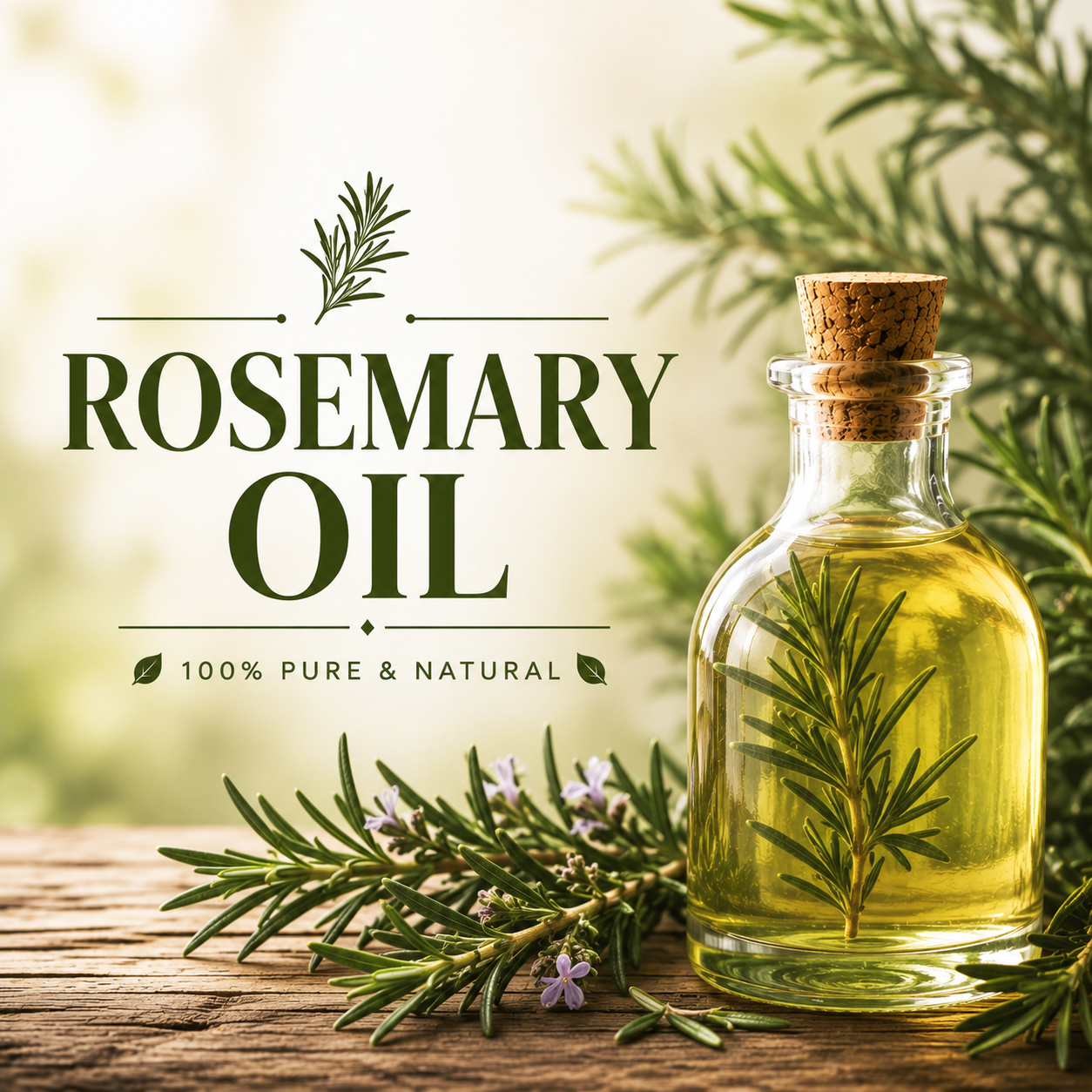
Rosemary Oil
Rosemary Oil is a popular botanical oil known for its fresh, herbaceous and characteristic aromatic profile. Derived from the rosemary plant, it is widely used in hair care, skincare, cosmetics, personal care, fragrance and aromatherapy-related formulations.
Also known as Rosemary Essential Oil, this aromatic ingredient is valued for its distinctive scent and versatility. It is commonly incorporated into shampoos, hair oils, scalp-care products, soaps, creams, lotions, massage blends and fragrance formulations.
The quality and characteristics of Rosemary Oil can vary depending on the botanical source, plant material, cultivation conditions, extraction method and processing. Therefore, selecting a suitable grade is important for commercial applications.
What is Rosemary Oil?
Rosemary Oil is an aromatic oil obtained from the rosemary plant, scientifically known as Salvia rosmarinus. The plant was formerly classified as Rosmarinus officinalis, a botanical name that is still widely encountered in commercial and technical literature.
Rosemary is an aromatic evergreen plant belonging to the Lamiaceae family. Its leaves and flowering tops are commonly used for producing rosemary essential oil through steam distillation.
The resulting oil typically has a fresh, herbaceous, woody and characteristic rosemary aroma, making it useful in fragrance, personal care and cosmetic formulations.
How is Rosemary Oil Extracted?
Rosemary Essential Oil is commonly produced through steam distillation.
1. Selection of Rosemary Plant Material
Suitable rosemary leaves and flowering tops are selected and prepared for processing.
2. Steam Distillation
Steam is passed through the plant material to release its volatile aromatic compounds.
3. Condensation
The aromatic vapours are cooled and condensed into a liquid mixture.
4. Oil Separation
The essential oil is separated from the condensed water and collected.
5. Filtration & Quality Testing
The finished oil may be filtered and tested for its physical and chemical characteristics to ensure consistency and suitability for its intended application.
Rosemary Oil Uses & Applications
Rosemary Oil is a versatile aromatic ingredient used across several industries.
1. Hair Care Products
Rosemary Oil is widely used in hair oils, shampoos, conditioners, scalp-care products and hair masks.
Its fresh herbal aroma makes it particularly suitable for botanical and natural-positioned hair care formulations.
2. Skincare Products
Rosemary Oil can be incorporated into selected creams, lotions, body oils, cleansers and other skincare formulations.
It is often used when formulators want to add a botanical aromatic ingredient to a product.
3. Personal Care Products
Rosemary Oil is used in soaps, body washes, shower products, massage blends and other personal care formulations.
4. Fragrance Industry
Its fresh, herbaceous and woody aromatic profile makes Rosemary Oil useful in perfumes, fragrance blends and scented products.
5. Aromatherapy Products
Rosemary Oil is commonly used in aromatic blends and products designed around fragrance and sensory experiences.
6. Soap & Candle Products
Rosemary Oil can be used as an aromatic ingredient in selected soap, candle and home-fragrance formulations, subject to the requirements of the finished product.
7. Cosmetic Formulations
Rosemary Oil can be included in cosmetic formulations where an aromatic botanical ingredient is desired.
8. Natural & Botanical Products
The oil is particularly relevant to formulations marketed around botanical, plant-derived and natural-origin ingredients.
Rosemary Oil Benefits for Formulations
Rosemary Oil offers several characteristics that make it useful to formulators:
- Distinctive fresh herbal aroma
- Botanical origin
- Versatile aromatic profile
- Suitable for hair care formulations
- Useful in selected skincare products
- Suitable for fragrance blends
- Compatible with many personal care concepts
- Useful in botanical and natural-positioned products
- Can contribute a characteristic sensory profile to formulations
The final performance of Rosemary Oil depends on its concentration, formulation base, quality, extraction method and other ingredients used in the finished product.
Key Characteristics of Rosemary Oil
- Common Name: Rosemary Oil / Rosemary Essential Oil
- Botanical Name: Salvia rosmarinus
- Former Botanical Name: Rosmarinus officinalis
- Family: Lamiaceae
- Plant Part: Leaves and flowering tops
- Extraction Method: Commonly steam distillation
- Appearance: Usually a clear to pale yellow liquid, depending on specification
- Aroma: Fresh, herbaceous, woody and characteristic
- Applications: Hair care, skincare, cosmetics, personal care, fragrance and aromatherapy
- Nature: Volatile aromatic botanical oil
Rosemary Oil for Hair Care
Rosemary Oil is a popular aromatic ingredient in modern hair care formulations.
It can be incorporated into:
- Hair oils
- Shampoos
- Conditioners
- Hair masks
- Scalp-care products
- Botanical hair serums
- Hair treatment blends
- Personal care formulations
When developing a commercial hair care product, the appropriate concentration should be determined through formulation testing and according to the intended product type.
Rosemary Oil for Skincare
Rosemary Oil can be used in selected skincare and body-care formulations as an aromatic botanical ingredient.
It may be incorporated into:
- Face and body products
- Body oils
- Creams
- Lotions
- Cleansers
- Soaps
- Botanical skincare blends
Because essential oils are concentrated aromatic materials, proper formulation, dilution and compatibility testing are important.
Rosemary Oil in Fragrance & Aromatherapy
Rosemary Oil has a distinctive fresh and herbaceous aroma that can add character to fragrance compositions.
It may be used in:
- Perfume blends
- Aromatic products
- Essential oil blends
- Diffuser formulations
- Personal fragrance products
- Home fragrance products
Its aroma can work particularly well in fresh, herbal, woody and botanical fragrance concepts.
Why Choose High-Quality Rosemary Oil?
High-quality Rosemary Oil can provide greater consistency for commercial formulations.
When sourcing Rosemary Oil, consider:
- Verified botanical identity
- Appropriate plant material
- Suitable extraction method
- Consistent aroma
- Physical and chemical specifications
- Batch-to-batch consistency
- Proper packaging
- COA availability
- TDS and SDS documentation
- Intended application and grade
- Compliance with applicable regulations
For commercial use, always select the product according to the specific application and required specification.
Rosemary Oil for Different Industries
Cosmetic Industry
Used in selected skincare, hair care and cosmetic formulations.
Hair Care Industry
Used in shampoos, hair oils, conditioners, scalp-care products and botanical hair formulations.
Personal Care Industry
Used in soaps, body products, massage blends and aromatic personal care products.
Fragrance Industry
Used as a natural aromatic material in perfumes and fragrance compositions.
Aromatherapy Industry
Used in essential oil blends and aromatic products.
Home Fragrance Industry
May be incorporated into selected diffuser and fragrance formulations.
Rosemary Oil – A Versatile Botanical Ingredient
Rosemary Oil combines a distinctive botanical aroma with versatility across modern personal care and fragrance applications.
Its fresh, herbaceous and woody character makes it an interesting ingredient for hair care, skincare, cosmetics, personal care, fragrance and aromatic products.
For commercial applications, the oil should always be selected according to its botanical identity, extraction method, quality specifications and intended use.
Storage & Handling of Rosemary Oil
For maintaining product quality:
- Store in a cool and dry place.
- Keep the container tightly closed.
- Protect from direct sunlight and excessive heat.
- Minimize unnecessary exposure to air.
- Use suitable packaging recommended for essential oils.
- Follow the supplier’s recommended storage conditions.
Safety & Handling
Rosemary Oil is a concentrated essential oil and should be handled appropriately.
For topical applications, it should generally be properly diluted in a suitable carrier or formulation base. Avoid applying concentrated essential oil directly to the skin unless specifically directed by a qualified professional and appropriate product instructions.
Keep essential oils away from the eyes and sensitive areas. Conduct appropriate formulation and skin-compatibility testing before commercial use.
For children, pregnancy, sensitive skin or specific health-related situations, seek advice from an appropriately qualified professional before use.
Always follow the supplier’s SDS and product-specific safety recommendations.
Frequently Asked Questions About Rosemary Oil
What is Rosemary Oil?
Rosemary Oil is an aromatic essential oil commonly obtained from the rosemary plant, scientifically known as Salvia rosmarinus.
What is the botanical name of Rosemary?
The currently accepted botanical name is Salvia rosmarinus. The older name Rosmarinus officinalis is still widely used in commercial literature.
How is Rosemary Oil extracted?
Rosemary Essential Oil is commonly obtained through steam distillation of rosemary leaves and flowering tops.
What is Rosemary Oil used for?
Rosemary Oil is commonly used in hair care, skincare, cosmetics, personal care, fragrance and aromatherapy-related products.
Is Rosemary Oil used in hair care?
Yes. Rosemary Oil is commonly used in hair oils, shampoos, conditioners, scalp-care products and botanical hair formulations.
Can Rosemary Oil be used in skincare?
Yes, Rosemary Oil can be incorporated into selected skincare and body-care formulations when properly formulated and diluted.
What does Rosemary Oil smell like?
Rosemary Oil generally has a fresh, herbaceous, woody and characteristic rosemary aroma.
Can Rosemary Oil be used in perfumes?
Yes. Its fresh herbal and woody aromatic profile makes it useful in selected perfume and fragrance compositions.
How should Rosemary Oil be stored?
Store Rosemary Oil in a tightly closed container in a cool, dry place away from direct sunlight and excessive heat. Follow the supplier’s storage recommendations.
Can Rosemary Oil be used directly on the skin?
Essential oils are concentrated materials and should generally be appropriately diluted before topical use. Always follow product-specific safety instructions.
How can I choose good-quality Rosemary Oil?
Check the botanical identity, extraction method, specifications, aroma profile, COA, TDS, SDS, packaging and intended application before purchasing.
Conclusion
Rosemary Oil is a versatile botanical essential oil valued for its fresh, herbaceous and woody aroma. Derived from Salvia rosmarinus, it is commonly used in hair care, skincare, cosmetics, personal care, fragrance and aromatic formulations.
With its distinctive sensory profile and broad formulation potential, Rosemary Oil is a useful ingredient for manufacturers developing botanical and natural-positioned products.
For consistent results, always choose Rosemary Oil according to the required grade, quality specifications, extraction method and intended application.