
-
indianfarmer
- Posted on
- Categories:Blog
- 0 comments
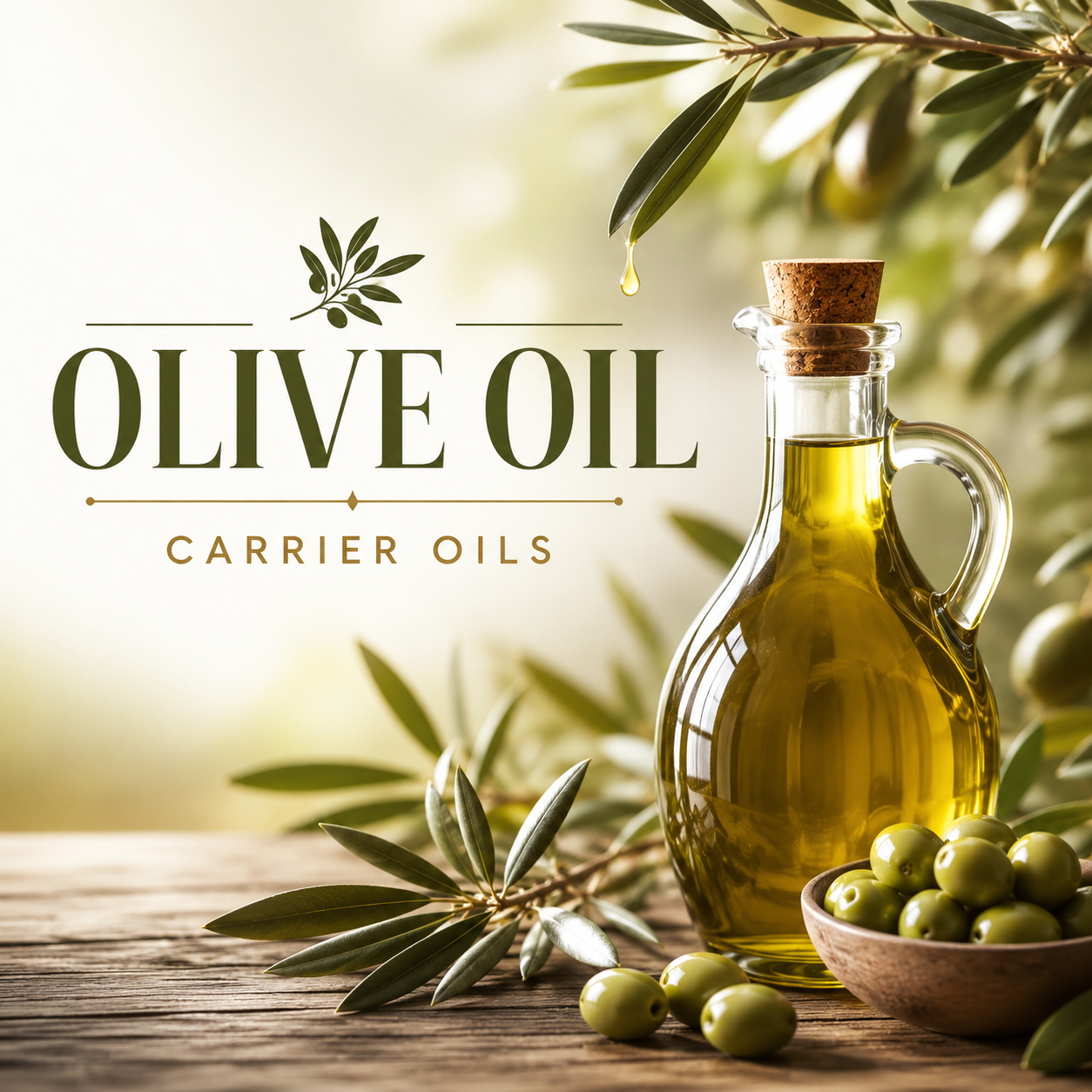
Olive Oil
Olive Oil is a natural plant-based oil obtained from the fruit of the olive tree, scientifically known as Olea europaea. It is widely used in the food, cosmetics, skincare, hair care, personal care and pharmaceutical industries.
Known for its characteristic aroma, smooth texture and versatile properties, Olive Oil is an important natural ingredient used in a wide range of products and formulations.
What is Olive Oil?
Olive Oil is a vegetable oil obtained from the fruit of Olea europaea. Depending on the extraction and processing method, Olive Oil is available in different grades and specifications for food, cosmetic, pharmaceutical and personal-care applications.
Olive Oil naturally contains fatty acids, with oleic acid being one of its major components. It may also contain linoleic acid, palmitic acid and other naturally occurring minor constituents.
The composition and characteristics of Olive Oil can vary depending on the olive variety, geographical origin, cultivation conditions, harvesting, extraction method, refining and storage.
How is Olive Oil Extracted?
Olive Oil is produced from harvested olive fruits using suitable extraction and processing methods.
For virgin and extra virgin grades, oil is obtained through mechanical processes without chemical extraction. Refined Olive Oil undergoes additional processing to meet the specifications of its particular grade.
The final properties of Olive Oil depend on the quality of olives, extraction process, refining and storage conditions.
Olive Oil Uses & Applications
Olive Oil has a wide range of applications across different industries.
1. Olive Oil for Food & Cooking
Olive Oil is widely used as an edible vegetable oil for cooking and food preparation.
It can be used in:
- Cooking
- Salad dressings
- Sauces
- Marinades
- Food preparations
- Seasonings
- Other suitable food formulations
The appropriate food-grade Olive Oil should always be selected according to the intended application.
2. Olive Oil for Food Processing
Olive Oil can be used as an ingredient in selected food-processing applications.
It may be incorporated into dressings, sauces, prepared foods, spreads and other food products where a suitable plant-based oil is required.
Different grades of Olive Oil may have different sensory, nutritional and technical characteristics.
3. Olive Oil for Skincare
Olive Oil is commonly used as an emollient ingredient in skincare formulations.
It can be incorporated into products such as:
- Moisturizers
- Face creams
- Body lotions
- Body oils
- Cleansing products
- Massage oils
- Skincare formulations
Its smooth oil texture makes it a useful ingredient in properly formulated personal-care products.
4. Olive Oil for Hair Care
Olive Oil is also used in various hair-care formulations.
It can be incorporated into:
- Hair oils
- Hair masks
- Conditioners
- Hair serums
- Scalp-care formulations
- Hair-care products
The suitable grade and concentration should be selected according to the formulation requirements.
5. Olive Oil for Cosmetics
Olive Oil is a popular plant-based ingredient in cosmetic formulations.
It can be used in creams, lotions, body-care products, cleansing products, massage oils and other cosmetic formulations.
Cosmetic-grade Olive Oil should meet the specifications required for the intended product.
6. Olive Oil for Soap Making
Olive Oil is commonly used in soap-making formulations.
It can be incorporated into:
- Handmade soaps
- Bar soaps
- Liquid soaps
- Specialty cleansing products
- Personal-care soaps
The properties of the finished soap depend on the overall formulation and the combination of oils used.
7. Olive Oil for Pharmaceutical Applications
Selected pharmaceutical-grade Olive Oil can be used as an excipient, carrier or formulation ingredient in certain pharmaceutical products.
Pharmaceutical applications require appropriate purity, quality specifications and regulatory compliance.
Olive Oil Benefits for Formulations
Olive Oil is valued by manufacturers and formulators for several useful characteristics.
Some commonly considered formulation advantages include:
- Plant-based origin
- Versatile applications
- High proportion of oleic acid
- Smooth oil texture
- Useful emollient properties
- Compatibility with various oil-based formulations
- Wide availability in different grades
The actual performance of Olive Oil depends on its grade, purity, processing, formulation and intended application.
Key Characteristics of Olive Oil
- Common Name: Olive Oil
- Botanical Name: Olea europaea
- Source: Olive Fruit
- Origin: Plant-Based
- Major Fatty Acid: Oleic Acid
- Other Fatty Acids: Linoleic Acid, Palmitic Acid and others
- Appearance: Greenish-yellow to golden-yellow, depending on grade
- Texture: Smooth oily liquid
- Applications: Food, cosmetics, skincare, hair care, personal care and pharmaceutical formulations
The exact specifications of Olive Oil depend on its grade, source, extraction method and processing conditions.
Types of Olive Oil
Different types of Olive Oil are available for different applications.
Extra Virgin Olive Oil
Extra Virgin Olive Oil is obtained from olives using mechanical processes and is subject to specific quality and sensory requirements.
It is primarily used in food and culinary applications.
Virgin Olive Oil
Virgin Olive Oil is also obtained through mechanical processes and meets the applicable specifications for its grade.
It is mainly used for food and culinary applications.
Refined Olive Oil
Refined Olive Oil has undergone refining processes designed to modify certain characteristics and meet the specifications of the refined grade.
It may be used in food and other suitable applications depending on its specification.
Olive Oil for Cosmetic Applications
Olive Oil intended for cosmetics is selected according to the quality, purity, processing and specifications required for cosmetic formulations.
Why Choose High-Quality Olive Oil?
Choosing high-quality Olive Oil is important for manufacturers who require consistent performance and product quality.
Before purchasing Olive Oil, businesses may consider:
- Botanical identity
- Olive variety
- Country or region of origin
- Extraction method
- Refining process
- Fatty acid profile
- Purity
- Appearance
- Aroma
- Oxidative stability
- Batch consistency
- Certificate of Analysis (COA)
- Technical Specification Sheet
- Safety documentation
- Intended application
Selecting the correct grade helps manufacturers achieve better consistency in their finished products.
Olive Oil for Different Industries
Food Industry: Cooking, dressings, sauces, marinades and food formulations.
Cosmetic Industry: Creams, lotions, body oils and cosmetic products.
Skincare Industry: Moisturizers, cleansing products, massage oils and skincare formulations.
Hair Care Industry: Hair oils, conditioners, masks and hair-care products.
Personal Care Industry: Soaps, lotions, body-care products and cleansing formulations.
Pharmaceutical Industry: Selected excipient, carrier and formulation applications.
Olive Oil Storage & Handling
Proper storage helps maintain the quality and stability of Olive Oil.
- Store Olive Oil in a tightly closed container.
- Keep it away from direct sunlight.
- Protect it from excessive heat.
- Minimize prolonged exposure to air.
- Protect the oil from moisture and contamination.
- Use suitable packaging for the intended application.
- Follow the supplier’s recommended storage conditions.
- Check the batch-specific shelf life before use.
-
Safety & Handling of Olive Oil
Olive Oil should always be used according to its specific grade and intended application.
- Use food-grade Olive Oil for edible applications.
- Use cosmetic-grade Olive Oil for cosmetic formulations.
- Use pharmaceutical-grade Olive Oil where pharmaceutical specifications are required.
- Follow the supplier’s technical documentation.
- Avoid contamination during storage and handling.
- Check the Certificate of Analysis before commercial use.
Important: Extra virgin, virgin, refined, cosmetic-grade and pharmaceutical-grade Olive Oil can have different specifications. Always verify the product documentation before selecting a grade for commercial use.
Frequently Asked Questions About Olive Oil
What is Olive Oil?
Olive Oil is a natural plant-based oil obtained from the fruit of the olive tree, scientifically known as Olea europaea.
What is Olive Oil used for?
Olive Oil is used in food and cooking, cosmetics, skincare, hair care, soap making, personal-care products and selected pharmaceutical applications.
What is the botanical name of Olive Oil?
The botanical source of Olive Oil is Olea europaea, commonly known as the olive tree.
What is the main fatty acid in Olive Oil?
Oleic acid is one of the major fatty acids naturally present in Olive Oil.
Is Olive Oil used in skincare?
Yes. Olive Oil can be used as an emollient ingredient in properly formulated creams, lotions, body oils, cleansing products and other skincare formulations.
Is Olive Oil used for hair care?
Yes. Olive Oil can be incorporated into hair oils, conditioners, hair masks, serums and other hair-care formulations.
Can Olive Oil be used for soap making?
Yes. Olive Oil is commonly used in handmade, bar and liquid soap formulations.
What are the different types of Olive Oil?
Common categories include extra virgin Olive Oil, virgin Olive Oil, refined Olive Oil and other grades or blends with different specifications.
How should Olive Oil be stored?
Olive Oil should generally be stored in a tightly closed container in a cool place away from direct sunlight, excessive heat, moisture and contamination.
Conclusion
Olive Oil is a versatile natural plant-based oil obtained from the fruit of Olea europaea. Its wide range of applications makes it an important ingredient for the food, cosmetics, skincare, hair care, personal care and pharmaceutical industries.
From cooking and food formulations to skincare products, hair-care products and soaps, Olive Oil can be used in many different applications depending on its grade and specifications.
For manufacturers and formulators, selecting high-quality Olive Oil with consistent specifications and appropriate documentation can help achieve reliable quality and formulation performance.