
Neroli Oil
Description:
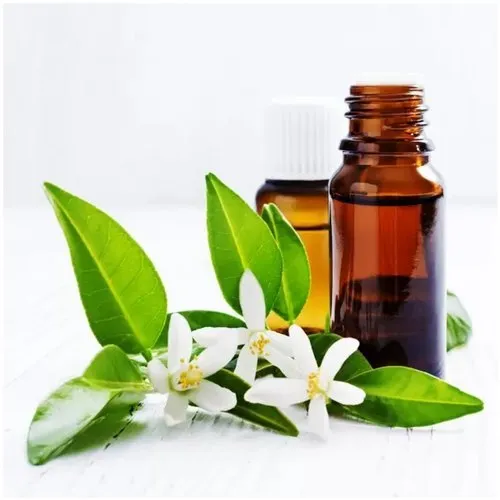
Neroli is a bitter orange tree, botanical known as Citrus aurantium, belongs to Rutaceae family. Its native regions are Western parts of India, Eastern Africa and Tropical Asia, the Himalayas but now it is cultivated throughout Mediterranean region, in the States of Florida and California. Neroli oil is acquired from the flowers of the bitter orange tree. It has small, white and waxy flowers. The trees bloom heavily in May.
Extraction:
Neroli oil is derived from freshly picked flowers of neroli tree by steam distillation.
Properties:
Neroli oil has sweet and strong floral scent. It is pale yellow or coffee-brown in color.
Composition:
Its main components are: linalool, alpha pinene, beta pinene, camphene, farnesol, geraniol, indole nerol, methyl anthranite, linalyl acetate, nerolidol, E-farnesol, alpha-terpineol and limonene.
Blending:
Neroli oil is nicely blends with benzoin, geranium, lavender, jasmine, ylang ylang, rosemary and sandal wood.
Uses:
- Neroli oil is used in perfumery and fragrance industry..
- Neroli oil is an ingredient in secret recipe for the coco-cola soft drink.
- It is a flavoring ingredient of cola recipes.
- It provides relieve from stress and eases in premenstrual discomfort or issues.
- Neroli oil has repairing and regenerative quality for skin cells and also prevent skin sagging, maintain balance of skin.
- Neroli oil is a good as homemade perfumes, diffusers and aromatherapy.
- Neroli oil added to creams, lotions or oil to reduce stretch marks.
- Neroli oil also helps in fever and nervousness as it has ability to heal body, mind and spirit.
- It is used in aromatherapy as its fragrance is calming, uplifting spirit and relaxing which alleviate anxiety, stress related depression and heart issues.
- It is used to reduce weight.
Safety and Precautions:
- Do not use neroli oil in eyes or other mucus membranes.
- Keep neroli oil out of reach of children.
- Avoid use of neroli oil due to its strong sedative nature, when individual want to awake or have to concentrate on something.
- Do not use of neroli oil during pregnancy or breast feeding.
- It can cause uneasiness and headache to some individual.
Specification of Neroli Oil:
Testing Protocol – BP
Appearance – Clear pale yellow or dark yellow liquid.
Odor – Characteristics
Identification A. Thin Layer Chromatographic – As per standard
Chromatographic Profile – As per standard
Relative Density – 0.863 – 0.880
Optical Rotation – +1.5° to +11.5°
Refractive Index at 20°C – 1.464 to 1.474
Acid value – Max. 2.0
Chromatographic Profile
β-pinene – 7% -17%
Limonene – 9% – 18%
Linalool – 28% – 44%
Linalyl acetate – 2.0% – 15%
Alpha terpineol – 2.0% – 5.5%
Neryl acetate – max. 2.5%
Geranyl acetate – 1% – 5%
Trans nerolidol – 1% – 5%
Methyl anthranilate – 0.1% – 1.0%
Farnesol – 0.8% – 4.0%
Storage – Store in well closed containers, in cool and dry storage area.