
Ylang Ylang Oil
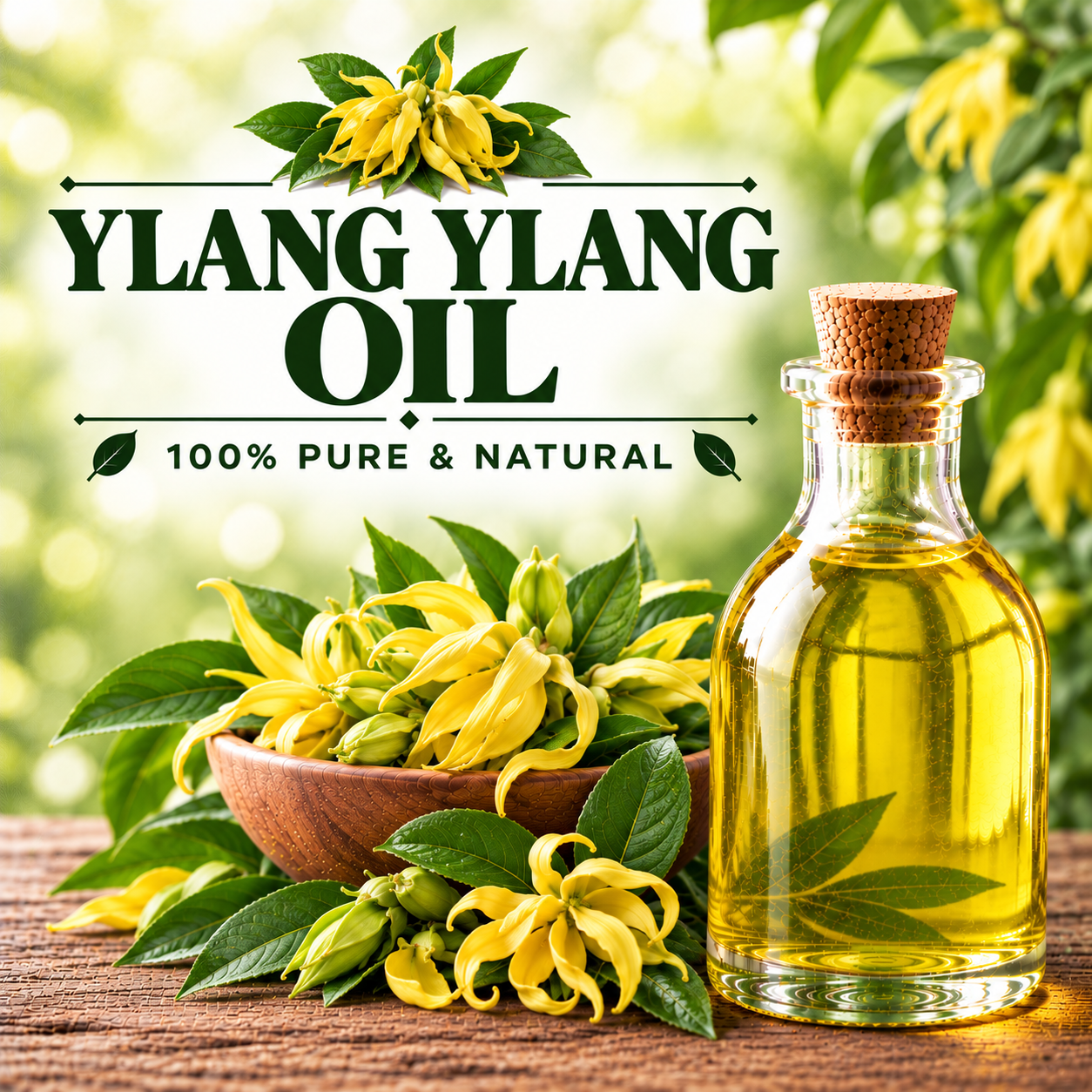
Ylang Ylang Oil
Ylang Ylang Oil is a highly valued floral essential oil known for its rich, sweet, exotic and slightly fruity fragrance. It is widely used in perfumery, cosmetics, personal care, hair care, soaps, aromatherapy and other fragrance formulations.
With its distinctive floral character, Ylang Ylang Oil is often used in fragrance blends as a heart or base note and can add richness and depth to perfume compositions.
What is Ylang Ylang Oil?
Ylang Ylang Oil is an essential oil obtained from the fresh flowers of the Ylang Ylang tree, botanically known as Cananga odorata. The plant belongs to the Annonaceae family and is widely cultivated in tropical regions.
The flowers are harvested and processed to obtain an aromatic oil with a characteristic sweet, floral, exotic and slightly fruity aroma.
Commercial Ylang Ylang Oil can be available in different grades or fractions, and the exact aroma and composition may vary depending on the botanical source, flower maturity, geographical origin, distillation process and product specification.
Botanical Information of Ylang Ylang Oil
- Common Name: Ylang Ylang
- Botanical Name: Cananga odorata
- Family: Annonaceae
- Plant Part Used: Flowers
- Extraction Method: Steam Distillation
- Appearance: Pale yellow to yellow liquid, depending on grade
- Aroma: Sweet, floral, exotic, rich and slightly fruity
- Main Applications: Perfumery, cosmetics, personal care and aromatherapy
How is Ylang Ylang Oil Extracted?
Ylang Ylang Oil is commonly produced through steam distillation of fresh Ylang Ylang flowers.
The flowers are carefully collected and subjected to steam distillation. The aromatic volatile compounds are carried by the steam, condensed and separated to obtain the essential oil.
Ylang Ylang Oil may be commercially classified into different fractions based on the time of collection during distillation. These fractions can differ in colour, aroma and chemical composition.
Ylang Ylang Oil Uses & Applications
1. Perfumery & Fine Fragrance
Ylang Ylang Oil is a popular natural floral ingredient in perfumes and fine fragrances. Its rich and exotic aroma can provide depth and character to floral compositions.
2. Cosmetics
It can be incorporated into selected cosmetic formulations where a sophisticated floral fragrance is desired.
3. Skincare Products
Suitable Ylang Ylang Oil may be used as a fragrance ingredient in creams, lotions, body products and other cosmetic formulations, subject to appropriate formulation and safety requirements.
4. Hair Care Products
Ylang Ylang Oil is used in selected shampoos, conditioners, hair oils and other fragranced hair-care products.
5. Soaps & Bath Products
Its sweet floral aroma makes it suitable for soaps, shower products, bath oils and other bathing formulations.
6. Aromatherapy
Ylang Ylang Oil is widely used in aromatherapy and aromatic blends because of its distinctive floral fragrance.
7. Home Fragrance
It may be used in selected candles, diffusers and other home-fragrance products to create an elegant floral aroma.
8. Fragrance Blending
Ylang Ylang Oil can be blended with citrus, floral, woody and other aromatic materials to create complex fragrance profiles.
Benefits of Ylang Ylang Oil for Formulations
Ylang Ylang Oil is valued by formulators for its:
- Rich floral fragrance
- Sweet and exotic aromatic profile
- Slightly fruity character
- Strong fragrance identity
- Usefulness in floral perfume compositions
- Compatibility with selected citrus and woody notes
- Applications in cosmetics and personal care
- Versatility in fragrance blending
The actual performance depends on the oil’s grade, fraction, concentration and formulation.
Key Characteristics of Ylang Ylang Oil
| Property | Details |
|---|---|
| Common Name | Ylang Ylang |
| Botanical Name | Cananga odorata |
| Family | Annonaceae |
| Plant Part | Flowers |
| Extraction | Steam Distillation |
| Appearance | Pale yellow to yellow |
| Aroma | Sweet, floral, exotic and slightly fruity |
| Fragrance Role | Heart/Base Note |
| Main Uses | Perfumery, Cosmetics, Personal Care & Aromatherapy |
Major Aromatic Constituents
Ylang Ylang Oil contains a complex mixture of naturally occurring volatile aromatic compounds.
Important constituents commonly associated with Ylang Ylang Oil include:
- Linalool
- Benzyl acetate
- Benzyl benzoate
- Geranyl acetate
- Germacrene D
- β-Caryophyllene
- p-Cresyl methyl ether
- Other naturally occurring aromatic compounds
The exact composition varies according to the botanical source, geographical origin, flower maturity, distillation fraction and processing conditions.
For commercial applications, the specific composition should be verified through the supplier’s COA and GC-MS analysis.
Ylang Ylang Oil in Different Industries
Fragrance Industry
Ylang Ylang Oil is widely used in perfumes, fine fragrances and floral fragrance compositions.
Cosmetic Industry
It can be used as an aromatic ingredient in selected creams, lotions, body products and other cosmetic formulations.
Personal Care Industry
Suitable grades may be incorporated into hair-care, body-care and bathing products.
Soap Industry
Ylang Ylang Oil can provide a rich floral character to soaps and cleansing products.
Aromatherapy Industry
It is commonly used in essential-oil blends and aromatic formulations.
Home Fragrance Industry
Ylang Ylang Oil may be used in selected candles, diffusers and other home-fragrance products.
Ylang Ylang Oil vs Jasmine Oil
Ylang Ylang Oil and Jasmine Oil are both valuable floral aromatic materials, but they have different botanical sources and fragrance profiles.
- Ylang Ylang Oil: Obtained from Cananga odorata flowers and has a sweet, rich, exotic floral aroma.
- Jasmine Oil: Commercial jasmine products can come from different Jasminum species and generally have a rich, sweet and characteristic floral aroma.
- Fragrance Profile: Ylang Ylang is often more creamy, exotic and slightly fruity, while jasmine materials are typically more intensely floral and complex.
The two materials can also complement each other in fragrance formulations.
Ylang Ylang Oil vs Ylang Ylang Fractions
Ylang Ylang Oil may be available in different commercial fractions.
- Different fractions are collected at different stages of distillation.
- They may have different aroma characteristics.
- Their chemical composition can vary.
- The intended use may influence which fraction is selected.
Always check the supplier’s product specification before choosing a particular grade.
Why Choose High-Quality Ylang Ylang Oil?
For commercial applications, high-quality Ylang Ylang Oil can provide:
- Consistent floral aroma
- Reliable fragrance performance
- Better batch-to-batch consistency
- Clearly identified botanical source
- Defined distillation grade or fraction
- Appropriate technical documentation
Before purchasing, check the COA, TDS, SDS and applicable regulatory documentation.
Storage & Handling
Store Ylang Ylang Oil in a tightly closed container in a cool, dry place away from direct sunlight, excessive heat and moisture.
Keep the container properly sealed when not in use and follow the storage conditions recommended by the supplier.
Safety & Handling
Ylang Ylang Oil is a concentrated essential oil and should be handled according to its intended application and safety documentation.
- Do not apply concentrated oil directly to the skin.
- Follow appropriate dilution levels for cosmetic and personal-care formulations.
- Avoid contact with eyes.
- Perform suitable formulation and skin compatibility testing.
- Do not assume every Ylang Ylang Oil product is suitable for food or therapeutic applications.
- Use only the appropriate grade for the intended application.
- Refer to the supplier’s SDS and applicable regulatory information before commercial use.
Frequently Asked Questions About Ylang Ylang Oil
What is Ylang Ylang Oil?
Ylang Ylang Oil is a natural essential oil obtained from the flowers of Cananga odorata and is known for its rich, sweet and exotic floral aroma.
What is the botanical name of Ylang Ylang?
The botanical name of Ylang Ylang is Cananga odorata.
What does Ylang Ylang Oil smell like?
Ylang Ylang Oil has a sweet, rich, floral, exotic and slightly fruity aroma.
What is Ylang Ylang Oil used for?
It is commonly used in perfumes, cosmetics, personal care products, hair care, soaps, aromatherapy and home-fragrance products.
Is Ylang Ylang Oil used in perfumes?
Yes. Ylang Ylang Oil is a popular natural floral ingredient used in fine fragrances and perfume compositions.
Can Ylang Ylang Oil be used in skincare products?
Suitable Ylang Ylang Oil can be used as a fragrance ingredient in selected skincare and cosmetic formulations when properly formulated and used according to applicable safety requirements.
Can Ylang Ylang Oil be used in hair care?
Yes. Suitable grades may be used in shampoos, conditioners, hair oils and other fragranced hair-care products.
What plant part is used to make Ylang Ylang Oil?
The flowers of the Ylang Ylang tree are used to produce the essential oil.
How is Ylang Ylang Oil extracted?
Ylang Ylang Oil is commonly obtained through steam distillation of fresh flowers.
Are there different grades of Ylang Ylang Oil?
Yes. Commercial Ylang Ylang Oil may be available in different distillation fractions or grades, which can differ in aroma and chemical composition.
How should Ylang Ylang Oil be stored?
It should generally be stored in a tightly sealed container in a cool, dry place away from direct sunlight, heat and moisture.
What documents should I check before buying Ylang Ylang Oil?
For commercial use, check the COA, TDS, SDS, botanical identity, distillation grade or fraction, batch information and applicable regulatory documentation.
Conclusion
Ylang Ylang Oil is a premium natural floral essential oil known for its rich, sweet, exotic and slightly fruity fragrance. Obtained mainly from the flowers of Cananga odorata, it has an important place in perfumery, cosmetics, personal care, hair care, soaps, aromatherapy and home-fragrance formulations.
Its distinctive floral character makes it particularly valuable in perfume compositions and fragrance blends. For commercial applications, selecting the correct grade or distillation fraction and verifying the product’s technical documentation helps ensure consistent quality and formulation performance.