
Rose Oil
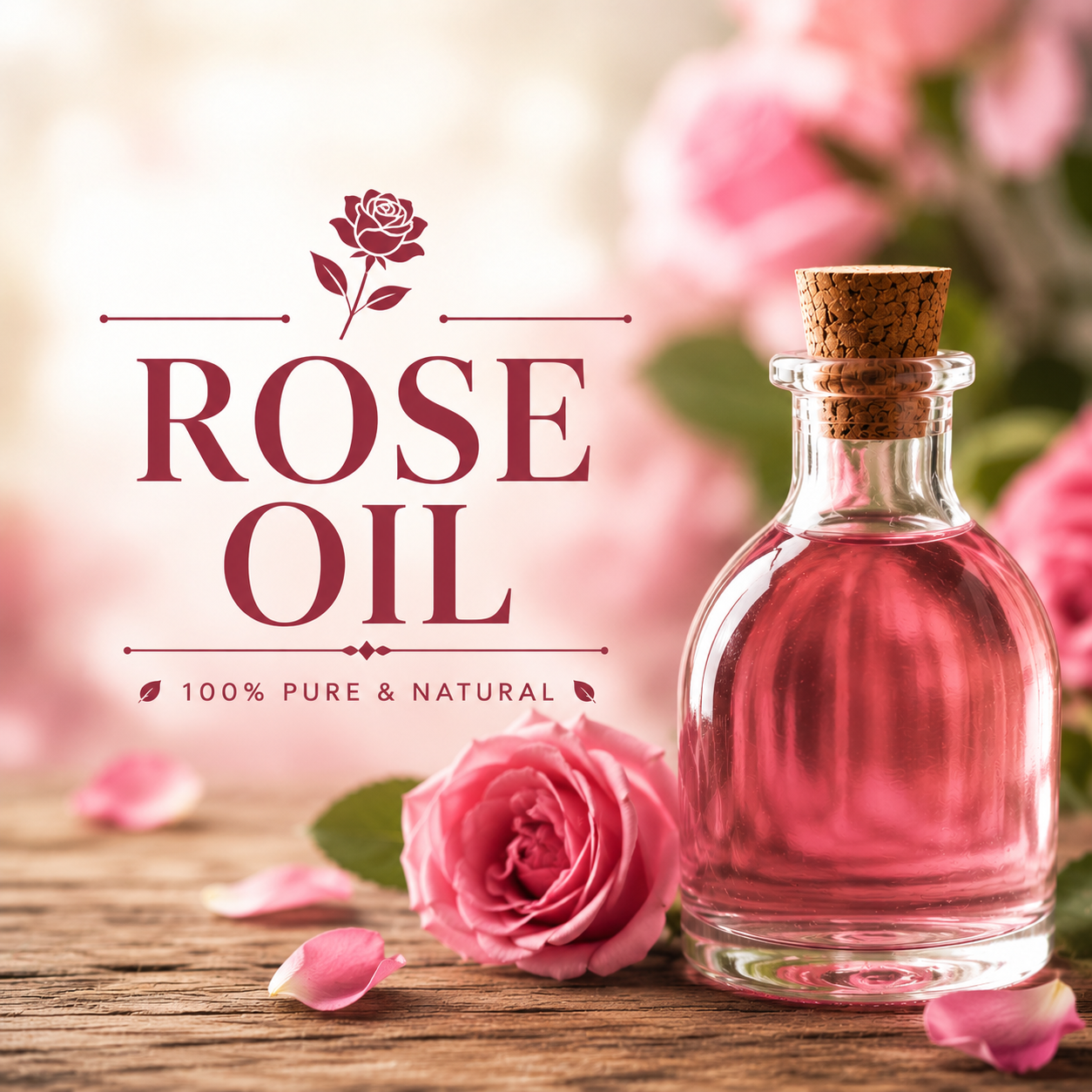
Rose Oil – Natural Aromatic Oil for Fragrance, Cosmetics & Personal Care
Rose Oil is a natural aromatic oil obtained from the flowers of the rose plant. Depending on the product type, rose oil may refer to Rose Essential Oil (Rose Otto) obtained through steam or hydro-distillation, or other rose-derived aromatic oils and extracts.
Known for its rich, floral and elegant aroma, Rose Oil is widely used in the fragrance, perfumery, cosmetics, skincare, personal care and aromatherapy industries.
Rose Oil contains naturally occurring aromatic compounds that contribute to its characteristic floral fragrance. Its composition can vary depending on the rose species or cultivar, geographical origin, cultivation conditions, harvesting stage and extraction method.
What is Rose Oil?
Rose Oil is a concentrated aromatic oil obtained from rose flowers, particularly from varieties cultivated for their fragrance and essential-oil content.
One of the most well-known forms is Rose Otto, which is generally obtained through steam or hydro-distillation of fresh rose petals. Another rose-derived product is Rose Absolute, which is produced using solvent extraction and has a different composition and aromatic profile.
Rose Oil is valued for its beautiful floral aroma and is commonly used in perfumes, skincare products, cosmetics, soaps, personal-care products and aromatic formulations.
How is Rose Oil Extracted?
Rose essential oil is commonly produced through steam or hydro-distillation of fresh rose flowers or petals.
During distillation, steam passes through the plant material and releases volatile aromatic compounds. The vapour is then condensed and the essential oil is separated.
The yield of rose essential oil is naturally low compared with many other essential oils. The final quality and aroma depend on factors such as rose variety, flower quality, harvesting time, geographical origin, distillation conditions and storage.
Rose Oil Uses & Applications
Rose Oil has a wide range of applications, particularly in fragrance, cosmetics and personal-care formulations.
1. Rose Oil for Perfume & Fragrance
Rose Oil is highly valued in the perfumery industry for its rich, elegant and characteristic floral aroma.
It can be incorporated into:
- Perfumes
- Eau de parfum formulations
- Fragrance oils
- Fine fragrances
- Floral fragrance blends
- Deodorants
- Body sprays
- Scented products
Rose Oil can also be blended with other essential oils and aromatic ingredients to create complex floral fragrance profiles.
2. Rose Oil for Skincare
Rose Oil is commonly used as an aromatic ingredient in properly formulated skincare products.
It may be incorporated into:
- Face creams
- Moisturizers
- Facial oils
- Serums
- Body lotions
- Cleansing products
- Specialty skincare formulations
The appropriate concentration and product grade should always be determined according to the formulation requirements.
3. Rose Oil for Cosmetics
Rose Oil is a popular botanical ingredient in cosmetic formulations because of its distinctive floral aroma.
It can be used in products such as:
- Creams
- Lotions
- Body oils
- Bath products
- Beauty formulations
- Fragranced cosmetic products
Cosmetic-grade Rose Oil should meet the required quality and safety specifications for the intended application.
4. Rose Oil for Personal Care
Rose Oil can be incorporated into personal-care products where a natural floral fragrance is desired.
Common applications include:
- Soaps
- Body washes
- Bath products
- Body oils
- Lotions
- Deodorants
- Aromatic personal-care products
5. Rose Oil for Aromatherapy
Rose Oil is valued in aromatherapy and aromatic wellness products for its characteristic floral fragrance.
It can be used in suitable diffuser blends, aromatic preparations and personal fragrance products according to appropriate safety and dilution guidelines.
6. Rose Oil for Soap Making
Rose Oil can be used as a fragrance ingredient in specialty soap formulations.
It may be incorporated into:
- Handmade soaps
- Botanical soaps
- Luxury soaps
- Liquid soaps
- Fragranced cleansing products
The finished product should always be evaluated for fragrance stability and compatibility.
7. Rose Oil for Hair Care
Rose Oil may be incorporated into selected hair-care formulations where its floral aroma is desired.
It can be used in:
- Hair oils
- Hair serums
- Conditioners
- Hair masks
- Fragranced hair-care products
The appropriate grade and concentration should be selected according to the specific formulation.
Rose Oil Benefits for Formulations
Rose Oil is primarily valued for its distinctive aromatic profile and versatility in fragrance and personal-care formulations.
Some commonly considered formulation advantages include:
- Rich floral aroma
- Natural botanical origin
- Premium fragrance profile
- Suitable for perfume formulations
- Useful in cosmetic formulations
- Suitable for personal-care products
- Compatible with many floral fragrance blends
The actual performance of Rose Oil depends on its quality, chemical composition, concentration, extraction method and intended application.
Key Characteristics of Rose Oil
- Common Name: Rose Oil
- Botanical Source: Rose species, commonly Rosa damascena for Rose Otto
- Plant Part: Flowers / Petals
- Extraction Method: Steam or Hydro-Distillation for Rose Otto
- Appearance: Clear to pale yellow liquid, depending on product type and specification
- Aroma: Rich, floral, sweet and characteristic
- Nature: Natural Aromatic Essential Oil
- Applications: Fragrance, perfumery, cosmetics, skincare, personal care and aromatherapy
The exact chemical composition of Rose Oil depends on the rose species or cultivar, geographical origin, flower maturity, harvesting conditions, extraction method and storage.
Rose Otto vs Rose Absolute
Rose-derived aromatic products are available in different forms, and they should not be considered identical.
Rose Otto
Rose Otto is a rose essential oil generally obtained through steam or hydro-distillation of rose flowers. It is known for its characteristic fresh and rich floral aroma.
Rose Absolute
Rose Absolute is produced using solvent extraction and has a different aromatic profile and chemical composition from Rose Otto.
The choice between Rose Otto and Rose Absolute depends on the intended formulation and desired fragrance characteristics.
Why Choose High-Quality Rose Oil?
For commercial applications, selecting high-quality Rose Oil is important for achieving consistent aroma, purity and formulation performance.
When sourcing Rose Oil, businesses may consider:
- Correct botanical identity
- Rose species or cultivar
- Flower quality
- Geographical origin
- Extraction method
- Chemical composition
- Purity and authenticity
- Aroma profile
- Appearance
- Batch-to-batch consistency
- Certificate of Analysis (COA)
- Technical Specification Sheet
- Safety Data Sheet (SDS)
- Intended application and regulatory requirements
Reliable technical documentation helps manufacturers select the appropriate Rose Oil for their specific formulation.
Rose Oil for Different Industries
Fragrance Industry: Perfumes, fine fragrances, deodorants and floral fragrance blends.
Cosmetic Industry: Creams, lotions, facial oils, serums and cosmetic formulations.
Skincare Industry: Moisturizers, facial oils, cleansers and specialty skincare products.
Personal Care Industry: Soaps, body washes, bath products and body-care formulations.
Aromatherapy Industry: Diffuser blends and aromatic wellness products.
Hair Care Industry: Hair oils, serums, conditioners and fragranced hair-care products.
Rose Oil – A Premium Natural Floral Ingredient
Rose Oil is valued for its rich, elegant and characteristic floral aroma, making it one of the most sought-after botanical aromatic ingredients in perfumery and personal-care formulations.
Its distinctive fragrance makes it suitable for perfumes, cosmetics, skincare, soaps, personal-care products and aromatherapy applications.
For manufacturers and formulators looking for a premium floral ingredient, high-quality Rose Oil can add a distinctive and elegant aromatic character to suitable products.
Storage & Handling
Proper storage is important for maintaining the quality and stability of Rose Oil.
- Store in a tightly closed container.
- Keep in a cool and dry place.
- Protect from direct sunlight.
- Protect from excessive heat.
- Minimize prolonged exposure to air.
- Protect from moisture and contamination.
- Use suitable packaging for essential oils.
- Follow the supplier’s recommended storage conditions.
- Check the batch-specific shelf life before use.
Safety & Handling
Rose Oil is a concentrated aromatic oil and should be handled appropriately.
- Avoid applying undiluted essential oil directly to the skin.
- Use appropriate dilution for topical applications.
- Avoid contact with eyes and sensitive areas.
- Do not consume unless specifically manufactured and approved for food use.
- Use the appropriate grade for the intended application.
- Conduct suitable formulation and compatibility testing.
- Keep away from children and pets.
- Follow the supplier’s SDS, COA and technical documentation.
Important: Rose Otto, Rose Absolute and other rose-derived products can have different compositions, specifications and intended applications. Always verify the product documentation before commercial use.
Frequently Asked Questions About Rose Oil
What is Rose Oil?
Rose Oil is a natural aromatic oil obtained from rose flowers and is widely used in fragrance, perfumery, cosmetics, skincare and personal-care products.
What is the botanical source of Rose Oil?
Rose Oil can be obtained from different rose species and cultivars. Rosa damascena is one of the important botanical sources of Rose Otto.
How is Rose Oil extracted?
Rose essential oil, such as Rose Otto, is commonly obtained through steam or hydro-distillation of fresh rose flowers or petals.
What is Rose Oil used for?
Rose Oil is used in perfumes, fragrances, cosmetics, skincare, soaps, personal-care products, hair-care products and aromatherapy formulations.
What does Rose Oil smell like?
Rose Oil generally has a rich, sweet, floral and characteristic rose aroma. The exact fragrance profile depends on the rose variety and extraction method.
Is Rose Oil used in skincare?
Yes. Rose Oil can be incorporated into properly formulated skincare products such as creams, lotions, facial oils and serums.
Is Rose Oil used in perfumes?
Yes. Rose Oil is widely valued as a floral aromatic ingredient in perfume and fragrance formulations.
What is the difference between Rose Otto and Rose Absolute?
Rose Otto is generally produced through steam or hydro-distillation, while Rose Absolute is produced through solvent extraction. They have different compositions and aromatic profiles.
How should Rose Oil be stored?
Rose Oil should generally be stored in a tightly closed container in a cool, dry place away from direct sunlight, excessive heat, moisture and contamination.
Conclusion
Rose Oil is a natural aromatic ingredient obtained from rose flowers and is recognized for its rich, sweet and characteristic floral aroma.
Its wide range of applications across the fragrance, perfumery, cosmetics, skincare, personal care, hair care and aromatherapy industries makes it a valuable botanical ingredient.
For manufacturers and formulators, selecting authentic, high-quality and application-specific Rose Oil with consistent specifications and proper technical documentation can help support product quality and formulation performance.