
Bergamot Oil – Fresh Citrus Aroma & Versatile Natural Applications
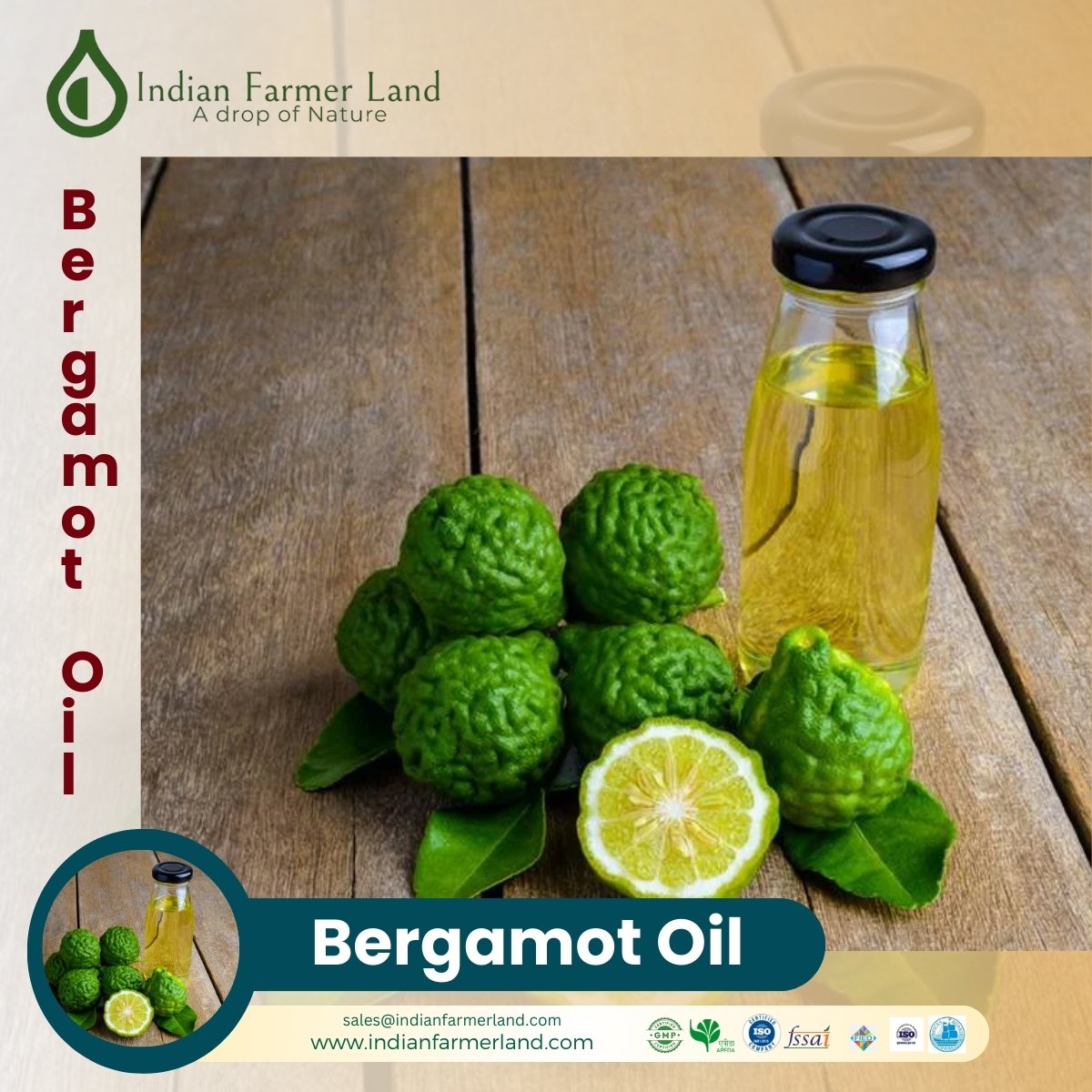
Bergamot Oil
Bergamot Oil is a naturally aromatic essential oil obtained from the peel of the bergamot fruit, scientifically known as Citrus bergamia. Known for its fresh, citrusy, slightly sweet and distinctive aroma, Bergamot Oil is widely valued across the fragrance, cosmetics, aromatherapy, food, flavour and personal care industries.
Bergamot Essential Oil is commonly obtained from the fruit peel through mechanical expression or cold-pressing methods. Its characteristic aromatic profile contains naturally occurring compounds such as limonene, linalyl acetate, linalool, γ-terpinene and β-pinene, which contribute to its fresh citrus fragrance.
What is Bergamot Oil?
Bergamot Oil is a concentrated essential oil derived from the peel of the bergamot fruit (Citrus bergamia). The bergamot fruit is a citrus species particularly associated with the Calabria region of southern Italy and is widely recognized for its important role in perfumery and flavouring.
Its fresh, elegant and slightly floral citrus aroma makes Bergamot Oil a popular botanical ingredient in perfumes, cosmetics, aromatherapy blends, personal-care products and selected food and flavour formulations.
Common Uses & Applications of Bergamot Oil
1. Fragrance & Perfumery
Bergamot Oil is one of the most valued citrus ingredients in perfumery. Its fresh and elegant aroma can add brightness and character to perfumes, colognes, soaps, candles and fragrance blends.
It is particularly appreciated for its ability to blend well with many other fragrance ingredients and essential oils.
2. Aromatherapy & Diffusion
Bergamot Oil is widely used in aromatherapy because of its pleasant fresh citrus aroma. It can be incorporated into diffuser blends and aromatic formulations designed to create a refreshing and uplifting atmosphere.
Research has also explored bergamot essential oil in aromatherapy and stress-related applications, although clinical evidence remains limited.
3. Cosmetics & Personal Care
Bergamot Oil may be incorporated into appropriately formulated cosmetic and personal-care products where its distinctive citrus fragrance is desired.
It can be used in selected products such as:
- Creams and lotions
- Body-care products
- Bath products
- Soaps
- Deodorants
- Fragrance-based personal-care products
4. Food & Flavour Applications
Bergamot Oil is widely recognized as a flavouring ingredient and is famously associated with the characteristic flavour and aroma of Earl Grey tea.
It may also be used in selected confectionery, beverages and flavour formulations when the oil is specifically produced and approved for food use.
5. Home Fragrance & Freshening Products
Its bright citrus aroma makes Bergamot Oil suitable for selected room fresheners, diffuser products, scented products and home-fragrance formulations.
It can provide a clean and refreshing citrus note when blended with other aromatic ingredients.
6. Massage & Wellness Products
Bergamot Oil can be incorporated into appropriately formulated massage and wellness products. For topical applications, suitable dilution and application-specific safety requirements should always be followed.
7. Cosmetic Fragrance Formulations
Bergamot Oil is particularly valuable as a natural fragrance ingredient in cosmetic formulations. Its citrus profile can complement floral, woody, herbal and other citrus notes.
For leave-on products that may expose skin to sunlight, the specific type of Bergamot Oil used is important because expressed oil can contain phototoxic furocoumarins.
Key Characteristics of Bergamot Oil
- Botanical Name: Citrus bergamia
- Common Name: Bergamot
- Plant Part: Fruit Peel
- Extraction Method: Commonly cold-pressing / mechanical expression
- Aroma: Fresh, citrusy, sweet, slightly floral and elegant
- Key Constituents: Limonene, Linalyl Acetate, Linalool, γ-Terpinene and β-Pinene
- Applications: Fragrance, cosmetics, aromatherapy, personal care, food and flavour formulations
The exact chemical composition of Bergamot Oil can vary according to the fruit origin, cultivation conditions, harvesting, extraction method, processing and storage.
What is Bergamot FCF Oil?
Bergamot FCF stands for Furocoumarin-Free Bergamot Oil. It is processed to remove or significantly reduce furocoumarins such as bergapten, which are associated with the phototoxicity of expressed Bergamot Oil.
FCF or appropriately rectified Bergamot Oil is therefore commonly considered for cosmetic and fragrance applications where reducing phototoxic furocoumarins is important.
The specific specification and intended use of the oil should always be confirmed with the supplier.
Why Choose Quality Bergamot Oil?
For commercial applications, selecting high-quality Bergamot Oil is important for maintaining consistent aroma, purity and formulation performance.
When sourcing Bergamot Essential Oil, businesses may consider:
- Correct botanical identity
- Fruit origin and source
- Extraction method
- FCF or standard expressed specification, where applicable
- Purity and authenticity
- Aroma and appearance
- Chemical composition
- Batch-to-batch consistency
- Certificate of Analysis (COA)
- Technical Specification Sheet
- Intended application and regulatory requirements
For manufacturers and formulators, appropriate technical documentation helps determine whether the oil is suitable for a particular application.
Bergamot Oil for Different Industries
Bergamot Oil is widely used across several industries, including:
Fragrance Industry – perfumes, colognes, soaps, candles and fragrance blends
Cosmetic Industry – creams, lotions, body-care and cosmetic formulations
Aromatherapy Industry – diffuser blends and aromatic wellness products
Food & Flavour Industry – beverages, confectionery and selected flavour applications
Personal Care Industry – bath, body and fragrance-based products
Home Fragrance Industry – room fresheners, diffusers and scented products
Bergamot Oil – A Premium Citrus Botanical Ingredient
Bergamot Oil is valued for its distinctive fresh, citrusy and elegant aroma, making it one of the most versatile citrus essential oils used in modern fragrance and flavour formulations.
Its ability to complement floral, herbal, woody and other citrus notes makes it particularly valuable to manufacturers and formulators.
Whether used in perfumery, cosmetics, aromatherapy, personal care or selected flavour applications, Bergamot Oil can provide a bright and sophisticated natural citrus character.
Safety & Handling
Bergamot Oil is a concentrated essential oil and should be handled according to its specific product specification.
- Avoid applying undiluted essential oil directly to the skin.
- Expressed/cold-pressed Bergamot Oil can contain furocoumarins that may cause phototoxic reactions when skin is exposed to UVA light.
- For leave-on cosmetic products intended for sun-exposed skin, use an appropriate FCF/furocoumarin-controlled grade and follow applicable safety standards.
- Avoid contact with eyes and sensitive areas.
- Do not consume unless the product is specifically manufactured and approved for food use.
- Store in a tightly closed container away from direct sunlight, heat and moisture.
- Protect citrus oils from oxidation by following recommended storage conditions.
- Always follow the supplier’s COA, SDS and technical documentation.
Important: Bergamot Oil and Bergamot FCF Oil are not necessarily interchangeable. Always verify the product specification and intended application before formulation.
Conclusion
Bergamot Oil is a premium citrus essential oil derived from Citrus bergamia and recognized for its fresh, sweet, citrusy and elegant aroma.
Its applications across fragrance, cosmetics, aromatherapy, personal care, food and flavour industries make it an important natural ingredient for manufacturers and formulators.
For businesses looking for a reliable citrus botanical ingredient, selecting authentic, high-quality and application-specific Bergamot Oil can help ensure consistent aroma, quality and formulation performance.